Peri-Workout Nutrition: What to Eat Before, During and After Training to Maximize Muscle Gains
 NUTRITION
Peri-workout nutrition — what you eat before, during and after your training session — is one of the most powerful levers you can pull to maximize muscle gains. Yet most athletes either skip it entirely or follow outdated advice. At MedFitness, we break it down with sport science, not guesswork.
Why Peri-Workout Nutrition Is a Game-Changer
Your muscles don't grow during training — they grow between sessions. But the nutrients you consume in the hours surrounding your workout directly influence protein synthesis, energy output, and recovery speed.
Research published in the *Journal of the International Society of Sports Nutrition* confirms that strategic nutrient timing can improve lean mass gains and reduce muscle breakdown — even compared to athletes consuming the same total daily calories without timing their intake.
The three phases are: pre-workout, intra-workout, and post-workout. Each has a distinct physiological role.
Pre-Workout: Fuel the Engine Before You Turn the Key
Timing: 60 to 90 Minutes Before Training
Eating too close to your session causes digestive discomfort. Eating too early means nutrients may already be absorbed and energy levels drop mid-session. The sweet spot is 60 to 90 minutes before your workout.
What to Eat: Macros That Matter
Carbohydrates are your primary fuel source during resistance training. Muscle glycogen stores power your reps — low glycogen means reduced strength output, earlier fatigue, and less mechanical tension on the muscle.
Aim for 30 to 60g of moderate- to slow-digesting carbohydrates: oats, brown rice, sweet potato, or whole grain bread.
Protein before training has been shown to stimulate muscle protein synthesis both during and after exercise. Shoot for 20 to 40g of high-quality protein: chicken breast, Greek yogurt, eggs, or a whey protein shake.
Fat and fiber should be moderate — both slow gastric emptying, which is useful for satiety but counterproductive when you want nutrients available quickly.
Practical example: - 100g oats + 200g Greek yogurt (0% fat) + 1 banana - Or: 2 whole eggs + 2 egg whites on 2 slices of wholegrain toast
Avoid high-fat meals (think fried foods, heavy sauces) — fat delays absorption and blunts the insulin response you want post-workout.
Intra-Workout: Do You Really Need to Eat Mid-Session?
When Intra-Workout Nutrition Actually Makes Sense
For most gym-goers training under 60 minutes, intra-workout nutrition is unnecessary if your pre-workout meal was adequate. However, for sessions lasting 90 minutes or longer — or during two-a-day training blocks — intra-workout carbohydrates become genuinely valuable.
What works: - 25 to 50g of fast-digesting carbohydrates: a ripe banana, a sports drink, or simple dextrose/maltodextrin - Electrolytes (sodium, potassium, magnesium) if you sweat heavily — these support neuromuscular function and prevent cramping - EAAs or BCAAs (5 to 10g) are optionally useful if you train fasted, though whole protein sources cover this in most cases
Keep it light and liquid — solid food mid-session means blood diverted to digestion, not your working muscles.
What to Eat After Your Workout to Maximize Muscle Gains
The post-workout window is real — though it's wider than the «30-minute anabolic window» myth suggests. Current evidence points to a 2-hour window where your muscles are primed for nutrient uptake, but responsiveness remains elevated for up to 48 hours.
Protein: The Priority
Aim for 30 to 50g of fast-digesting protein within 1 to 2 hours post-training. Whey protein is the gold standard here due to its high leucine content — leucine directly triggers the mTOR pathway, the molecular switch for muscle protein synthesis.
If you prefer whole foods: grilled chicken, canned tuna, cottage cheese, or a large serving of Greek yogurt all work well.
Carbohydrates: Refill the Tank
Your glycogen stores are depleted after an intense session. Consuming 50 to 100g of moderate- to high-GI carbohydrates post-workout accelerates glycogen resynthesis and blunts cortisol — the catabolic hormone that spikes after training.
Best choices: white rice, potatoes, pasta, fruit (banana, pineapple, watermelon).
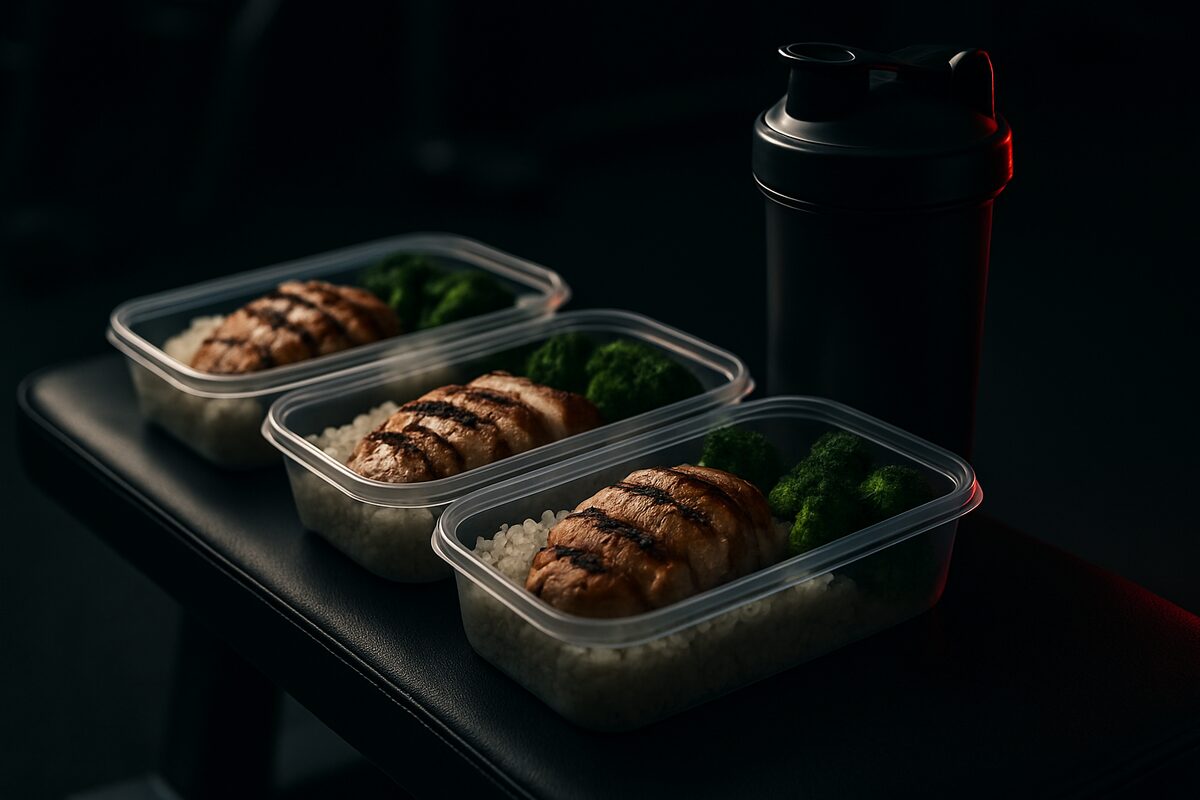
Practical post-workout meal: - 150g white rice + 200g chicken breast + steamed vegetables - Or: 1 whey protein shake + 1 large banana + 30g oats blended in
Don't Forget Hydration
You can lose 1 to 2 liters of fluid per hour of intense training. Rehydrate with at least 500ml to 750ml of water immediately after your session. Adding a pinch of salt and a squeeze of lemon speeds electrolyte replenishment.
The Full Picture: A Sample Peri-Workout Day
| Phase | Timing | Example Meal |
|---|---|---|
| Pre-Workout | 75 min before | 100g oats + 30g whey + 1 banana |
| Intra-Workout | During (if 90+ min) | Sports drink + electrolytes |
| Post-Workout | Within 60-90 min | Chicken rice bowl + 500ml water |
For a deeper dive into recovery beyond nutrition — including sleep protocols and stretching strategies — check out our guide on [muscle recovery: sleep, stretching and nutrition](/blog/recuperation-musculaire-sommeil-stretching-nutrition).
And if you're wondering whether supplements can fill the gaps in your peri-workout protocol, our [complete supplement guide](/blog/supplements-guide-complet) covers what the science actually supports.
The Bottom Line
Peri-workout nutrition — what you eat before, during and after your sessions — isn't about perfection. It's about consistency and strategic choices that compound over weeks and months. Get your pre-workout carbs and protein in, stay hydrated, and hit a solid post-workout meal within 90 minutes. Do that reliably, and you'll recover faster, train harder, and build muscle more efficiently than most people in the gym.
At MedFitness, this is the kind of evidence-based detail that separates athletes who plateau from those who keep progressing. Master the basics, trust the process, and let the gains follow.